
Can I Fix a Hammertoe at Home? Symptoms, Shoes, and Treatment Options
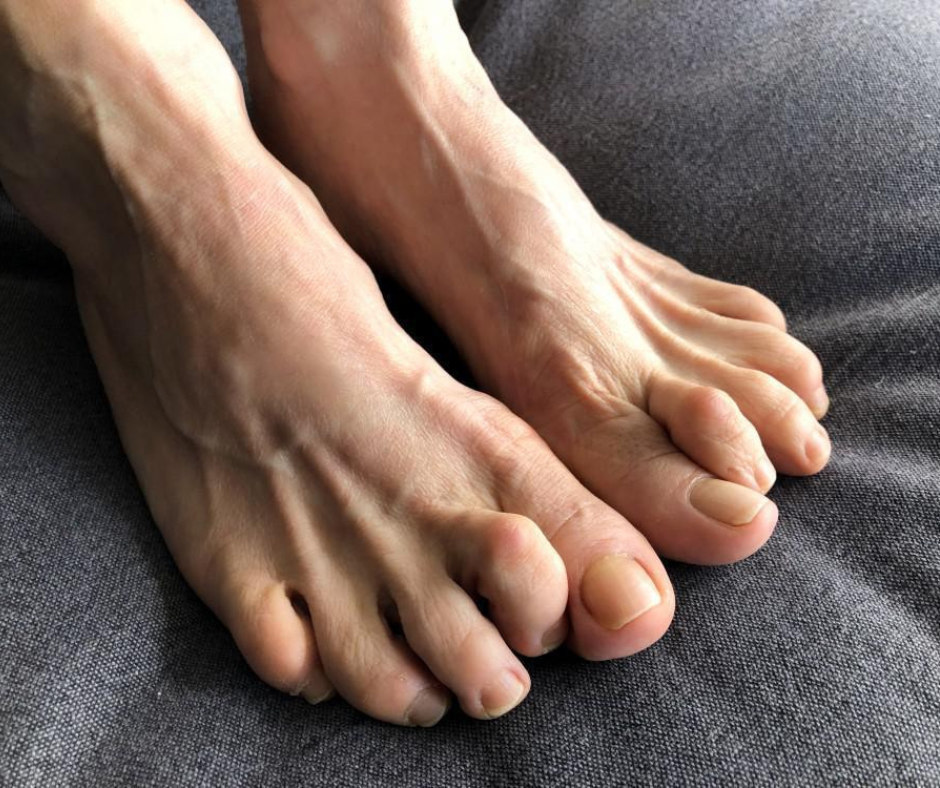
At The Foot Center, we see many patients who are frustrated by pain, discomfort, and the increasing difficulty of finding shoes that fit. If you’ve noticed one or more of your toes bending upward at the middle joint, resembling a hammer, then you are likely dealing with a hammertoe. To help you regain your natural foot function, this blog answers the most common questions about this progressive deformity, including what can be managed at home…and what can’t!
“Can I fix a hammertoe at home?”
While you cannot “straighten” a structural bone deformity permanently at home, you can manage the symptoms and slow the progression. Hammertoes often develop due to a muscle imbalance, injury, or years of wearing tight shoes.
If your toe is still flexible, you can alleviate discomfort by:
- Targeted Exercises: Strengthening the toe muscles can help balance the tendons that have become tight.
- Padding and Shielding: Using non-medicated pads can prevent painful corns and calluses that form when the bent joint rubs against the top of your shoe.
- Custom Orthotics: At The Foot Center, we often recommend custom orthotics to address the underlying biomechanical causes of the muscle imbalance.
“What are the best and worst shoes for hammertoes?”
Your footwear choices play a massive role in whether a hammertoe stays manageable or becomes rigid and painful.
- The Worst Shoes: High heels and shoes with a narrow, pointed toe box. These force the toes into a cramped position, exacerbating the bend at the middle joint.
- The Best Shoes: Look for footwear with a wide and deep toe box. This allows room for the height of the bent toe without constant friction.
- Shoes made of soft, breathable materials (like mesh or soft leather) offer more “give” around sensitive joints.
“How do I know if my hammertoe is getting worse?”
Common symptoms that suggest your condition is progressing include:
- Stiffness: Finding it increasingly difficult to straighten the toe manually.
- Persistent Pain: Redness, swelling, or pain whenever you wear shoes.
- Skin Changes: Developing thick corn or calluses on the top of the toe or the tip.
“Does hammertoe need surgery?”
At The Foot Center, we prioritize the least invasive approach possible. Surgery is not always the first answer. However, if conservative treatments like padding and orthotics fail to provide relief, or if the deformity has become rigid and painful, minimally invasive surgical correction may be recommended.
Our surgical goals are simple:
- Relieve your chronic pain.
- Improve toe alignment.
- Restore your natural foot function so you can walk comfortably again.
Why Choose The Foot Center?
We understand that every foot is unique. Our team focuses on diagnosing the underlying cause of your deformity by creating a tailored treatment plan that fits your lifestyle. Whether you need better preventative care or a permanent surgical fix, our goal is to help you move without restriction.
The Foot Center, Inc. provides comprehensive podiatric care for all your foot and ankle needs. Led by Dr. Noel Patel and Dr. William Eng, our team provides personalized treatment plans using the latest techniques and technology. Contact us today to schedule an appointment at one of our five convenient locations: Richmond, Colonial Heights, Henrico-East End, Chester, and Kilmarnock.